
Created by Mike Donghia. Subscribe to our blog for free daily updates.
The temptation of spending money to solve our problems is a definite trigger for many of us. But each time we do this, it comes at a cost. Sometimes this cost contributes to habitual impulse buying, taking on too much debt, or creating unhealthy habits that can be hard to break and destructive to our family.
Creating ways to save money isn’t just a smart habit—it’s essential to creating stability and freedom in your life.
Maybe you’re looking to build up an emergency fund to support your family, invest in a future goal, or simply stretch your budget a bit further each month. Whatever your reason is, looking for ways to save money in our consumerist society will pay off significantly if you commit to making some lifestyle changes, both big and small.
Below is a list of 101 ways that anyone can save money. That means you don’t need to be a financial whiz or investment guru to put them into practice– just an ordinary person like myself looking to build healthy spending habits!
As you read, decide what’s best for you…so take a few or take dozens, but only do what will help you to live with more intentionality and less financial burden.
If this is your first time on our site, This Evergreen Home is a blog created by a husband and wife team about living intentionally in this modern world. You can check out the archives to get a feel for the kind of content we create.
If you’d like to receive daily inspiration delivered straight to your inbox, we welcome you to subscribe and follow along on our journey.
And now, we hope you enjoy our list of 101 ways that anyone can save money…
Ways to Save At Home
- Take shorter showers. Long showers can be a luxury but definitely increase water and electricity bills. Cutting just one minute from your shower saves about 75 gallons of water a month—aim for 5-10 minutes to keep more money in your pocket.
- Install low-flow shower-heads and faucets. We installed low-flow faucets and shower-heads several years ago and although the pressure change is something to get used to, it’s been one of the simplest ways we’ve been able to save water usage and money.
- Use up beauty and self-care products before buying new ones. Beauty companies and social media target women with new beauty and self-care products, but before you get tempted to try something new, use up the products that you have at home first if they aren’t expired and still do the trick.
- Reduce the heat at night. Lowering the thermostat while you sleep can save hundreds annually. Each degree lower saves around 1% on heating, and a cooler room helps you sleep better too.
- Open windows and use less air conditioning. Fresh air is free, and limiting AC use to the hottest days not only cuts costs but improves indoor air quality too. Plus, it’s a great natural air freshener.
- Reduce the number of streaming services you have. With the average household subscribing to four streaming services, cut back to what you actually watch. Not only will paying for fewer services save you money, it could also make your life more simple by limiting your choices.
- Run your dishwasher when it’s full. Energy efficient dishwashers only use about 3 gallons of water per load, compared to 20-30 gallons of water if you hand washed those same dishes. Running it saves both time and water.
- Skip the pre-rinse before loading the dishwasher. Most energy efficient dishwashers are excellent at scrubbing food from dishes so save yourself the extra time and gallons of water and skip this step before loading it up.
- Don’t use the heated dry setting on your dishwasher. Selecting the default “heated dry” setting on your dishwasher isn’t necessary to have clean, dry dishes. It adds an extra 30 minutes to the cycle and uses more energy, which could also reduce the life expectancy of your appliance.
- Use up craft and art supplies before replenishing. An arts and crafts closet can quickly become chaotic if you’re tempted to make impulse buys or replenish before supplies run out. Keep those items organized in labeled bins so you can see what you have and avoid over purchasing.
- Create a smaller wardrobe. During one of our decluttering challenges, I limited my closet to 15-20 items for a month. It was a game-changer—I saved time, avoided the “I have nothing to wear” dilemma, and realized I didn’t need more clothes to feel put together.
- Own fewer items in your home. Less truly is more. Throughout our decluttering journey, I’ve learned to only keep things that are either useful or beautiful. Owning less cuts down on clutter and makes it easier to manage what I have, helping me resist impulse buys and the need for more storage.
- Live within your means, starting with a home you can afford. The average size of the American home has increased by over 20% since 2000. Bigger doesn’t always mean better, especially when it’s stretching your bank account so thin that you end up feeling stressed and unable to enjoy life. Downsize if needed and make sure your mortgage payment doesn’t exceed the 28% mortgage rule.
- Choose to line-dry clothing. Your clothes dryer uses more electricity than most other appliances in your home, so choosing to line dry clothes on a drying rack or in the fresh air can save over $1 a load. That may not seem like a large amount of money, but small ways like this add up over the course of a year.
- Wash clothes in cold water. Heating the water in your washing machine makes up about 90% of the energy used in one cycle, so reducing the temperature from hot to cold can make a big difference in energy usage. At a cooler temperature, clothes don’t break down as quickly so they’ll last longer too.
- Regularly declutter your things. When you get into the routine of decluttering your things, it not only reduces clutter in your cupboards and closets but allows you to better manage what you own and avoid purchasing food, cosmetics, or medicine before it’s necessary.
- Place paper towels off your kitchen counter. A simple trick we tried a few years ago– moving paper towels off the counter. It helped us rely more on reusable cloths and limit paper towels to bigger, messier jobs. Out of sight, out of mind really works!
Ways to Save on Food and Groceries
- Make your coffee at home. Second to water, coffee is the most popular drink consumed in the world. But ordering at a coffee shop adds up quickly, with the average bill at Starbucks coming to $7 a day. Treat yourself with your favorite latte for special occasions but all the other mornings choose to make your coffee at home, which can save you hundreds if not thousands a year!
- Take your lunch to work instead of eating out. Packing lunch at home saves more than just money; it usually means healthier meals too. At $10+ per meal, skipping the takeout can save you a lot over time.
- Make a meal plan at the start of the week. Making a meal plan for our dinners each week is one of the most helpful habits I do every weekend. This task helps minimize impulse buys while grocery shopping, ensures that we’re eating a healthy, balanced diet, and reduces our family’s food waste.
- Take an inventory of your fridge, freezer, and pantry as you make your weekly grocery list. I always check what’s in the fridge, freezer, and pantry before I make my grocery list. It helps me avoid buying duplicates and makes sure we use what we have first.
- Stick to your grocery list. Shopping with a list helps you focus on what you need, preventing impulse purchases and extra expenditures. This simple strategy encourages you only to buy necessary items which can potentially save you a lot.
- Order groceries online. I’ve been ordering groceries online for years and it’s been one of my biggest money and time saving habits yet. It’s helped us stick to the essentials and avoid the tempting in-store displays that lead to overspending.
- Limit unusual ingredients that will go to waste after a one-time use. When trying new recipes, be mindful of ingredients that you likey won’t use often and end up throwing out. Sticking to familiar, versatile ingredients ensures you use everything you buy, minimizing waste and saving money.
- Be creative with leftover food to avoid food waste. Leftovers aren’t everyone’s favorites but using them up is one of the biggest ways to avoid food waste. At our house we dedicate a leftover night mid-week. We also freeze extras in small containers for quick lunches or easy dinners, which helps avoid food waste too.
- Pay attention to the food you’re throwing out. In the United States, it’s estimated that we throw out 30-40% of the food in our refrigerators. Not only is that a large amount of food waste, but it’s also throwing money in the trash! Pay attention to foods that you end up throwing out each week and change up your buying habits.
- Bake your own dessert instead of purchasing it from the grocery store bakery. Store-bought desserts come with a hefty markup– often up to 300%. When we’re craving something sweet, I like to bake simple treats at home, like this apple crumble in the colder months—it’s cheaper, healthier, and always a hit.
- Use all fresh produce before buying more. Buying fresh produce is the healthiest option but tends to cause a lot of food waste, even in my own fridge unfortunately. When making your grocery list for the week, keep an eye on what produce you already have as well as what produce should be used up in the next day or two.
- Purchase produce that is in season. Fresh produce can be enjoyed all year, but you’ll pay a premium when it’s not in season. If you’re unsure, check out this seasonal list by the USDA so you can enjoy fresh fruits and veggies without paying outrageous prices for produce that isn’t at its peak.
- Buy frozen or canned produce when it’s not in season. When fresh produce isn’t in season or doesn’t fit your budget, buying frozen or canned is a much more affordable option. Research has found that frozen and canned versions are generally equivalent in nutrition to fresh produce and are 20-30 percent cheaper.
- Buy cheaper protein options. With meat prices soaring, we’ve been incorporating more affordable proteins like beans, lentils, and eggs into our meals. They’re nutritious, versatile, and budget-friendly.
- Stock up on products you use regularly when they are on sale. When your favorite or most-used household items or pantry staples go on sale, it’s worth buying in bulk. Stocking up on essentials like toilet paper, cleaning supplies, canned goods, or snacks can save you a lot over time.
- Stick to healthy, budget friendly meals. Healthy doesn’t have to mean expensive. Planning meals around affordable whole-food staples like rice, beans, and seasonal vegetables not only keeps costs low but also leads to a healthier diet.
- Eat breakfast at home to avoid buying snacks or lunch on the go. Skipping breakfast can lead to unnecessary splurges later in the day. Eating a simple, filling breakfast at home keeps you satisfied and helps you avoid pricey snacks and lunches while out.
- Order water when eating out. One of the easiest ways to save when dining out is to stick to water instead of soda or alcohol. Not only is it free, but it’s also the healthiest option and a no-brainer for those looking to trim the dining-out budget.
- Limit buying prepared foods or pre-cut produce. Pre-made meals and pre-cut produce are convenient but come with a markup. Prepping food at home not only saves money but also gives you more control over the freshness and quality of your meals.
- Grow your own herbs. Growing herbs at home is one of the easiest ways to save money on fresh ingredients. I love having fresh basil or mint on hand—it’s cheaper than buying small packs at the store and adds a homegrown touch to meals.
- Don’t go grocery shopping when you’re hungry. Shopping on an empty stomach often leads to impulse buys and overspending. It’s a simple rule– eat before you shop to avoid unnecessary purchases and stick to your list!
- Choose generic brands over name brands. Opting for store brands instead of name brands can lead to significant savings on most items. Generic products are often just as good in quality and taste but come at a lower price point.
- Use a reusable water bottle or coffee cup instead of disposable. This one might be one of the most commonly used ideas already, but not only are reusable water bottles and coffee cups better for the environment but they save money in the long run.
- Grow your own vegetables in the summer. Even if you’re not an avid gardener, planting a small vegetable garden during the summer is a great way to enjoy fresh produce for a fraction of the cost. Simple crops such as tomatoes, peppers, lettuce, and herbs have been easy ways for us to cut down on our grocery bill while enjoying homegrown produce too.
- Reuse plastic containers. Before tossing out plastic yogurt or take-out containers, consider washing and reusing them. These containers are perfect for food storage and reduce the need to buy additional storage containers.
Ways to Save on Utilities
- Carpool when you’re able. Sharing rides with friends or coworkers is a simple way to cut down on fuel costs, especially for longer trips. Carpooling also reduces wear and tear on your car and helps the environment by lowering emissions.
- Walk instead of driving when you can. We live in a very walkable town so I make it a habit to walk whenever possible, especially for shorter trips to the library or post office. It’s a great way to get some exercise, reduce gas expenses, and keep the car mileage down.
- Reduce the amount of vehicles you own. This doesn’t work for all families, but with my husband working from home, we’ve been a one car family for over 3 years. It’s challenged us to make sacrifices and tradeoffs and has saved us thousands of dollars with car maintenance and insurance costs.
- Cut your landline phone. If your household still has a landline, consider getting rid of it. With mobile phones covering all your communication needs, eliminating the landline can be an easy way to save a little extra each month.
- Don’t let your car idle. While warming up the car in winter feels nice, letting it idle for a long time is like burning money. Instead, limit idling time to save on gas and avoid unnecessary emissions.
- Drive less aggressively. I’ve noticed that driving smoothly—without hard accelerations—uses significantly less gas. It’s an easy adjustment that can stretch a tank of gas much further if you pay attention to how you drive!
- Use cruise-control more often. Using cruise control on highways helps maintain a steady speed, which can improve fuel efficiency and reduce the need for sudden braking or acceleration.
- Choose not to upgrade to the latest and greatest cell phone. I’ve learned that sticking with my current phone until it’s truly needed saves a lot. The latest models are tempting, but if my phone works fine, I’d rather keep the extra cash instead of keeping up with what others have.
- Shop your own closet and get creative with what you own. Instead of buying new clothes each season, explore different outfit combinations using items you already have. It’s a budget-friendly way to refresh your wardrobe without spending a dime!
- Check your spending using an app. Tracking our expenditures through an app has allowed us to keep a closer eye on our daily spending, set monthly budgets, and see what areas we overspend. We use Every Dollar but other popular ones are Rocket Money, Empower, and Simplifi.
- Set a budget for each major category. Creating a budget for essentials like groceries, entertainment, travel, and transportation keeps our monthly spending in check. It’s a simple habit that’s made a big difference in managing our finances and spending tendencies.
- Invest extra cash. Instead of letting extra money sit in a savings account, consider investing it to grow your wealth. Beginners can start with low-cost index funds, which spread your investment across many companies to reduce risk. Even setting up a recurring deposit into a retirement account like an IRA can help build long-term financial security.
- Manage your digital and print subscriptions and services. We do a quick review of our subscriptions every few months. It’s amazing how many services pile up that we no longer use (or when the free trial runs out and billing begins!), and canceling them frees up cash.
- Swap incandescent light bulbs with LED’s. LED bulbs use up to 75% less energy than traditional incandescent bulbs and last up to 25 times longer, which means lower electricity bills and fewer replacements. They also emit less heat, making them safer and more efficient for everyday use.
- Lower your thermostat in the winter and raise it in the summer. In the winter, lowering your thermostat at night by 7-10 degrees (even just at night) can save up to 10% a year on heating costs. In the summer, consider raising it slightly to reduce cooling expenses without sacrificing comfort drastically.
- Wash your vehicle yourself instead of visiting the car wash. Save about $10-20 per wash by cleaning your car yourself instead of visiting a car wash. It’s also a great way to get your kids involved in some of the household chores!
- Limit the use of space heaters. We’ve used space heaters in our sunroom for several years during the colder months. They’re one of the largest uses of energy in the winter months (about 1,500 watts per hour) so we’ve used them sparingly and turned them off when we leave the room to save energy and money.
Ways to Save on Entertainment
- Have a date dinner at home. Instead of spending $50 or more at a restaurant, try cooking a special meal together at home. This has been one of our favorite ways to add novelty to an evening.
- Reduce your alcohol consumption. Reducing your alcohol consumption can significantly impact your budget. The average person spends $500-1,000 each year on alcohol, so you may consider enjoying a drink on special occasions only.
- Do free or inexpensive dates with your spouse or kids. Special outings don’t have to cost much to be fun. From picnics in the park to hiking trails, there are endless ways to spend quality time with your spouse or kids without spending much. These moments have been some of our favorites as a family.
- Create a list of fun free family activities. Sit down with your kids and make a list of free activities like biking, going to the park, or playing board games. Having this “bucket list” ready means that you’ll spend less money on expensive venues. Creating a “winter bucket list” for the colder months also helps us to make the winter more enjoyable without spending a lot of money!
- Borrow a book from the library or a friend instead of purchasing it. Instead of buying every book you want to read, borrow from the library or friends. The average hardcover costs $25, and borrowing helps you avoid clutter too. Save the purchased books for supporting your favorite author or a special occasion.
- Give thoughtful, creative gifts. Some of the best gifts don’t have to cost much. Plan a free outing, propagate a cutting from a plant you’ve grown, make a handwritten letter, or cook someone’s favorite meal. These personalized gestures often mean more than something store-bought.
- Limit shopping for fun. Shopping for pleasure often leads to impulse buys, adding more clutter to your home and less money in your wallet. Studies show people spend up to 20% more than planned when browsing stores casually, so set limits or avoid the habit altogether if it’s a temptation.
- Use gift cards first when eating out. If you’re like me, you probably have a few gift cards collecting dust in your wallet. Using a gift card the next time you dine out can significantly cut down on your bill. It’s an easy way to save without changing your routine.
- Host a themed dinner night with friends. Instead of dining out, invite friends over for a themed dinner. We recently hosted a fall dinner party with a cozy meal of soup and homemade bread. Not only does it save everyone a restaurant bill, but inviting friends over to your home allows for more time to linger over the table and more intimate conversation too.
- Vacation in the off-season. If your schedule allows, travel during the off-season. You can save 30-50% on lodging and attractions, plus you’ll avoid the crowds.
- Book flights for weekdays. There’s not a “cheapest day” to fly, but flights are often cheaper on weekdays, especially Tuesdays and Wednesdays. If you have the flexibility, aim to fly mid-week instead of Friday-Sunday.
- Track cheaper flights. Use tools like Google Flights, Skyscanner, or Hopper to monitor prices and snag the best deal. These platforms alert you when flight prices drop, sometimes saving you hundreds.
Ways to Save with Kids
- Rotate toys in your playroom Instead of constantly buying new toys, store some away and rotate them every few months. We do this, and the kids get excited like they’re brand new all over again!
- Teach kids about sales. Just because something is on sale doesn’t mean it’s a must-buy. We often remind our kids that sales are designed to make you spend, not necessarily save.
- Teach your kids to help out with housework. We believe that teaching our kids to do age-appropriate chores from a young age instills a sense of responsibility and contribution to our family. These values are held high in our home and the added benefit is that when taught how to do jobs well, they can carry some of the weight of the household work instead of paying for cleaning, laundry, or meal-prep services.
- Swap childcare with a friend. A great way to intentionally spend time with your spouse while also saving on childcare expenses is swapping datenights with a friend. It saves you money while also providing an opportunity to do the same for someone else.
- Share hand-me-downs with friends. Whether it’s clothes, toys, or baby gear, sharing hand-me-downs with your friends is a win-win for everyone involved.
- Make your own baby food. Making my own baby food purees has not only become a routine I’ve greatly enjoyed doing while I had babies, but they’re healthier than store-bought jars or pouches and cost a fraction of the price too.
- Limit pre-packaged snack food. Cutting back on packaged snacks not only improves health but also saves a surprising amount of money—those granola bars and chips add up fast! Instead, make your own popcorn, trail mix, or fruit salad– which are a few of our favorites.
- Get your kids outdoors. As a homeschool mom, I try to get my kids outside for several hours each day. The more time they spend outside, the less they’re on screens or asking for expensive gadgets. Parks, playgrounds, and nature trails are some of the best ways we’ve found to get outdoors.
- Buy generic brands of diapers. The cost of a box of diapers is no joke, so try switching to generic brands over higher priced luxury diapers. They’re often just as effective as name brands but can save you hundreds during the diaper years.
- Use monthly subscriptions for a discounted price. Any household or baby/kid’s item that we use regularly, we set up a monthly subscription on Amazon. Not only does it save you between 5-15%, but it also helps to keep an accurate monthly budget for these frequently used items.
- Find free museum passes at your local library. Reserving free museum passes from our local library have been a huge savings for our family. Most libraries offer an assortment of passes within the community, which allow you to do more fun and educational outings with your family at a fraction of the price.
- Buy used when you can. According to a 2023 study by LendingTree, the nationwide average for the cost of raising a child is $21,681 per year (primarily childcare, food, and transportation costs). Purchasing second-hand items, such as clothes, toys, shoes, and furniture can make a big difference.
- Teach kids to earn their own spending money. As a general rule, we don’t buy our kids toys or other non-essential items unless it’s a birthday or holiday. Instead, we encourage them to take on small age-appropriate jobs, whether it’s chores around the house or helping a neighbor with her flower bed. It teaches them the value of hard work and fights against the consumerist mindset.
- Use a 529 College Savings Plan. A 529 plan is a state-sponsored investment account designed to allow you to save money for a child’s education. The earnings grow tax-deferred and can be used to pay for college, K-12 tuition, or other educational expenses. Setting up a plan years in advance can be a huge cost savings.
- Teach your kids that fun doesn’t have to cost money. Show your kids how enjoyable free activities like hiking, biking, crafting, or baking a special treat at home can be without breaking your bank account. This pushing back against a consumerist mindset is a great one to teach your kids from a young age.
- Involve kids in money discussions. Include your kids in family budget talks and brainstorming sessions for saving money. You might be surprised at their creative ideas! We’ve begun doing this with our 7 and 9 year olds and it’s a great way to empower them to play a role in our family’s money saving efforts.
Ways to Save on Bills
- Put your monthly bills on auto-pay. Setting up auto-pay for nearly all of our monthly bills has been a huge time-saving habit, prevents us from having late fees, and has actually saved us discounts with certain providers.
- Look for a credit card that offers the best cash back. If you use a credit card, look for one that gives the best cash back on purchases you make regularly, like groceries or gas. Many cards offer up to 5% back, which can really add up over time. Our current favorite one is our Amazon Visa, which saves us between 5-6% on all Amazon purchases.
- Check your health insurance’s Explanation of Benefits for any errors. Always review your EOB for errors. We’ve found mistakes in ours, and by calling to correct them, we avoided paying unnecessary charges.
- Cancel insurance on non-essential. Insurance is vital for big things like your home or health, but you don’t need it for every small item. Electronics or appliance warranties often end up costing more in premiums than the item is worth. Instead, be mindful to budget extra cash for replacements and repairs as needed.
Ways to Save on Health and Fitness
- Use a Health Savings Account for medical services and bills. If you have access to an HSA, use it to pay for medical services and bills. Contributions are tax-deductible which makes it a smart way to save on healthcare costs.
- Get your exercise for free (or nearly free). If you’re looking to save on a monthly membership, try skipping the gym and replacing your exercise routine with some of these ideas—running outside, following online workout videos, going on a long bike ride, or using free weights at home. It’s definitely possible to stay fit without spending a fortune!
- Make some of your own cleaning products. DIY cleaning solutions are cheaper and often more eco-friendly and healthy for your home and body. We’ve saved a lot by making our own since they cost a fraction of the price of purchasing store-bought ones.
- Limit the salon treatments. Beauty services such as manicures, pedicures, or hair coloring are luxuries that many enjoy, but if done regularly can be a huge expense. Try reducing the frequency of these services, doing them as a special treat, or even trying DIY versions, which can save hundreds each year.
- Simplify your facial skincare routine. Many beauty brands try to convince you that a lengthy routine with 5-8 steps for face care is essential to have beautiful skin. Most skin only needs 3 basic steps– a gentle cleanser, moisturizer, and sunscreen. Cut back on the extras and you’ll make both your skin and budget feel better.
Ways to Save in Other Spending Areas
- Unsubscribe from deal emails. Out of sight, out of cart! Those flashy “limited-time offers” probably add more to your impulse buys than your savings. Not only will your inbox become less cluttered but you’ll be more apt to make those impulse purchases less frequently, saving your wallet too.
- Check second-hand stores before buying new. Before you pay full-price, consider checking thrift stores, Facebook Marketplace, or other second-hand buying options. We’ve gotten most of our home furnishing this way and have paid only a fraction of the price compared to buying brand new. Plus, these items are usually better quality than the equivalent brand-new one we might have gotten from Target or Wayfair.
- Avoid purchasing “dry clean only” items. Those fancy labels might look great, but regular dry cleaning adds up fast. Try looking for an alternative piece of clothing that can instead be machine-washed and don’t require extra maintenance.
- Implement the 48-hour buying rule. Next time something catches your eye, give it a 48-hour “cooling-off period.” Chances are, you’ll realize it wasn’t a must-have, and your bank account will thank you for the patience.
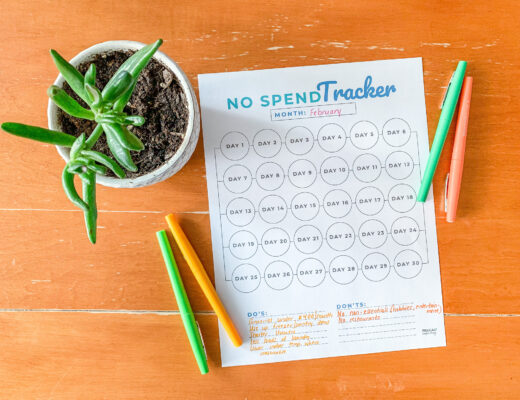
- Nurture a growth mindset for your finances. Looking to take your savings game to the next level? Embrace a growth mindset. Big ideas such as living on half your income, getting down to one-car per family, implementing a “no-spend month” or “low-spend year” are practical ideas of challenging yourself to live outside your comfort zone. It may sound daunting, but if you want to put a big dent in saving money it’ll take doing something bold!
If you enjoyed this article, please support my work by subscribing to my daily newsletter.