
Created by Mike Donghia. Subscribe to our blog for free daily updates.
Many times, I’m challenged to learn the most simple life lessons from the thoughts and actions of my young children. Their youthful musings often allow me to ponder a greater meaning, one that can be discussed through conversation with them, but also one that allows me to think deeper upon the matter afterwards.
Gratitude. It’s considered one of the keys to happiness.
I’ve been reflecting on what it means to have gratitude lately, as I observe behaviors from my 6 year old daughter. After months of playing joyously with her doll she received for Christmas, she quipped, “I think I need a new doll, I’m too used to this one. Maybe we should put her in the attic.”
The reality of her honest, childlike statement struck me.
It’s true, once the novelty of something pleasurable wears off, we begin to desire something else. Our sense of gratitude that we once had for that item begins to weaken as our hand reaches for something newer, prettier, faster, or better.
Many would agree that being ungrateful is the #1 reason why we continue to desire more, and more, and more. I believe the desire for wanting more has been a main contributor to why so many people are overwhelmed with clutter, live stressed and anxious lives, and are faced with debt.
As a parent, I feel the need to not only explain to my children what it means to live lives of gratitude and why it’s important, but also model this lifestyle with my own thoughts and actions.
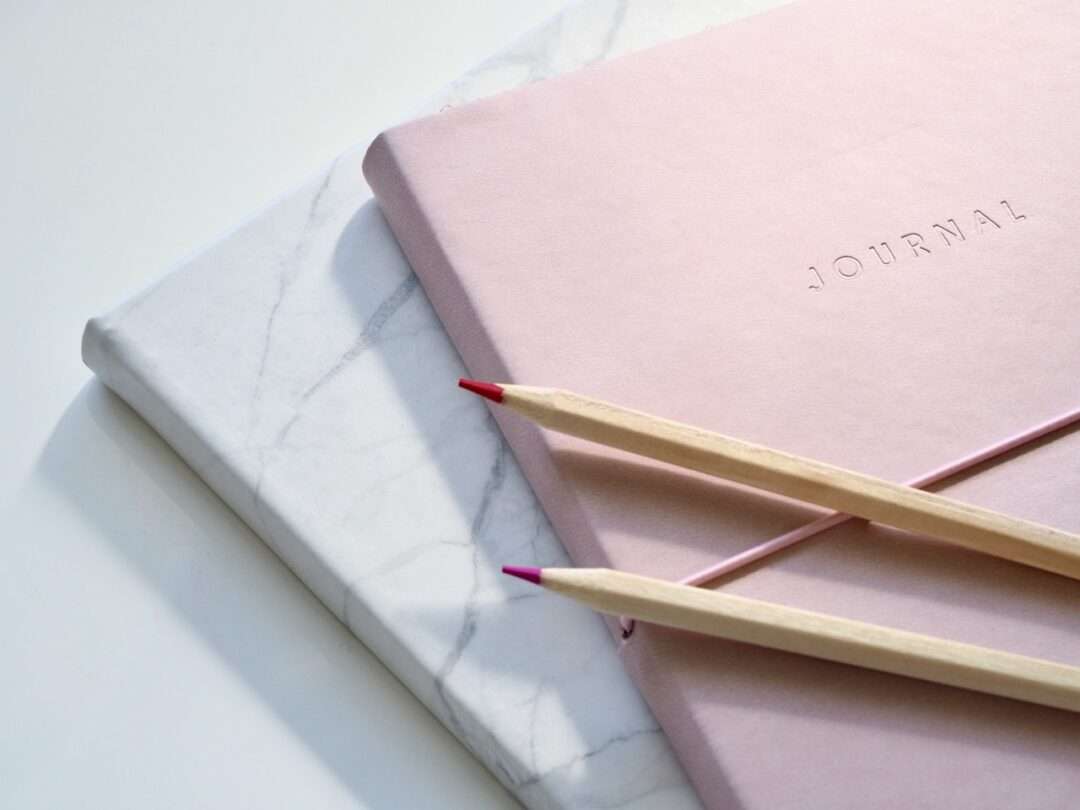
The simplest way I’ve found to help me live a life filled with more gratitude and less anxiety is through a practice that I do each morning– reflecting on what I’m most grateful for.
By mentally reflecting or writing in my gratitude journal, I’ve been able to see many positive benefits from this simple, 5-minute habit. Of course, the goal is to have this practice set a trajectory for the rest of my day, and not simply be another item to check off my list, but you have to start somewhere!
My desire is that my children would observe a spirit of gratitude within me, and use those behaviors to pursue happiness through being grateful for what we have, despite the constant pull of our consumerist society telling them otherwise.
8 changes I noticed when I began each day with gratitude
Each day begins with a positive mindset.
The first thoughts that enter my mind are usually indicators of how the rest of my morning will go. When I can sit and reflect on what I’m most grateful for in the stillness of the morning, it encourages me to have a positive, healthy mindset that focuses on blessings rather than burdens.
It’s a motivation to declutter my “stuff”.
As I look back upon past entries in my gratitude journal, it’s very rare to see an actual “item” listed. The things that make me most grateful are relationships, feelings, and memories– not stuff. Noticing that physical things don’t bring me the most happiness, it allows me to consider whether or not I need as many of them in my life and encourages me to live with less.
I can focus on others’ strengths, rather than faults.
Relationships, even those you’re closest to, will always let you down in some way at some point. When I focus more on the strengths and gifts of others rather than their faults, it helps me to be more patient, have more grace, and see the benefits of each relationship.
I don’t take things for granted.
It isn’t until something is gone, that we realize how meaningful it actually was. I desire to practice gratitude in all circumstances, whether small or large, and value it while it’s in my life so that I don’t live with regrets once it’s no longer here.
I’m put in a more cheerful mood.
It’s hard to be in a grumpy, selfish mood after reflecting on what I’m most grateful for that day. Even little moments of remembering something funny my toddler son did yesterday puts a smile on my face.
It’s a motivation to begin my morning routine.
My morning quiet time is an essential part of my day. I love rising while the rest of the house is still asleep as I sit, drink my hot coffee, and have some time to prepare myself for the day ahead. My gratitude practice is the first thing I do, and it’s something that I look forward to reflecting upon each morning.
It reduces stress and anxiety.
Reflecting on what makes us grateful allows our brains to release two key elements responsible for our positive emotions. Dopamine and serotonin are the neurotransmitters that make us feel “good”, which is why expressing gratitude is a great way to manage stress and anxiety.
We gain more compassion for others.
When I look back at the entries in my gratitude journal, I don’t see many that highlight my individual achievement or success. Rather, I see evidence of feeling encouraged when helping a friend, or when a prayer was answered, or when a good conversation was had with someone I love. Gratitude allows us to have more compassion for others, and as we do this, we take less interest in our own selves and a deeper affection for others.
Practicing gratitude has been one of the biggest ways that I’ve sought to improve my health and well-being and to embrace the simplicity and blessings that this life can offer. If you don’t already practice gratitude (either through journaling or mentally reflecting) I’d encourage you to make it part of your daily routine.
When we stop and take a moment to appreciate the relationships around us, life’s free pleasures, and the gifts that we’re given, we’re able to live a much more enjoyable, rich life in return.
If you enjoyed this article, please support my work by subscribing to my daily newsletter.