
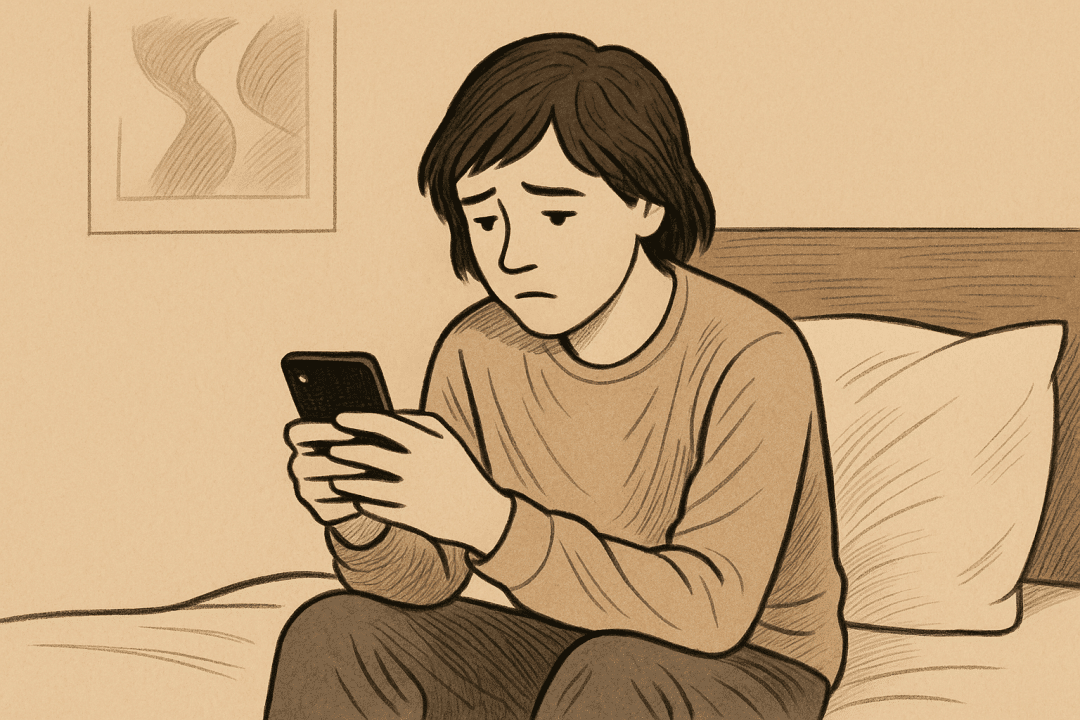
Created by Mike Donghia. Subscribe to our blog for free daily updates.
The coffee shops that once buzzed with college students are quieter now, yet surveys say loneliness among the under-30 crowd has never been louder. Scroll through a feed and you’ll see smiles filtered to perfection, but public-health dashboards show record anxiety and a nagging sense that the future won’t be as bright as the past.
Teachers notice it in restless classrooms, managers note it in high turnover, and parents feel it when their kids retreat behind glowing screens. Something in the cultural wiring has pulled apart, and the usual lectures about grit or spending more time outside land like postcards from a simpler decade.
This article digs beneath the slogans to trace how cultural shifts—in technology, work, housing, and even the background hum of daily news—tilt youthful expectations toward disappointment.This is not a scolding of screen time nor a nostalgic ode to rotary phones, as cool as they were. Instead, you’ll find a close look at the mental taxes that modern life imposes on young adults and why those costs feel heavier than ever.
By understanding the new pressures, we can start designing saner defaults—because happiness, like any skill, grows easier to practice when the obstacles are clearly named.
Algorithm-tuned social platforms drain baseline mood by spiking comparison and dopamine on every scroll. Feeds no longer show a neutral chronicle of friends; they dish up whatever keeps thumbs moving, and the brain receives a slot-machine mix of envy and fleeting pleasure. Neuroimaging studies now link that rapid-fire cycle to the same reward circuitry hijacked by gambling, leaving users restless when the buzz fades. Instead of logging off satisfied, young people return to their day mildly depleted, primed for irritability and self-doubt.
Gen Z reports the highest loneliness scores despite constant connectivity, leaving stress unbuffered by real companionship. Digital contact feels abundant yet lacks the micro-cues—eye contact, touch, synchronized laughter—that calm the nervous system. When problems surface, many reach first for a screen, so setbacks go unshared and unprocessed. Over time that solo coping raises cortisol, which shows up as anxiety, low energy, and a sense that nobody truly sees them.
A steady diet of climate-catastrophe headlines seeds “eco-despair,” making the future feel doomed before it begins.News cycles frame rising seas and record heat as an unstoppable slide, and young viewers absorb the story long before they hold political power. Surveys now find teens delaying plans for children or careers because they expect a broken world. Hope turns into guilt for simply wanting a normal life, eroding day-to-day optimism.
Gig-style, temporary work keeps young adults in perpetual economic limbo, eroding agency and self-worth. Pay fluctuates, benefits vanish, and tomorrow’s schedule depends on an app’s opaque algorithm instead of a steady contract. That uncertainty blocks long-term budgeting and makes it risky to form households or pursue additional training. The resulting financial fragility feeds chronic stress and a sense that effort yields no durable progress.
Record housing costs and insecurity delay independence and deepen depressive symptoms. When half of income disappears into rent, savings shrink and exits from unhappy living situations close. Crowded apartments and frequent moves disrupt sleep and social life, two pillars of mental health. Feeling stuck under someone else’s roof saps the adult identity young people expect to inhabit by now.
Around-the-clock political noise breeds chronic fight-or-flight arousal and identity conflict. News alerts frame every development as existential, so the body rehearses danger even while sitting on a couch. Constant outrage leaves little bandwidth for local friendships or creative play, activities that normally reset stress hormones. Many cope by tuning out entirely, but that withdrawal carries its own guilt about civic duty.
Pre-bed smartphone binges shorten sleep and blunt emotional regulation the next day. Blue-light exposure delays melatonin, and the endless scroll steals minutes that quietly become hours. Poor REM cycles impair the amygdala’s ability to cool down after setbacks, so minor hassles feel overwhelming. What begins as harmless entertainment compounds into a next-morning mood drop that repeats nightly.
The closure of cafés, clubs, and other “third places” removes low-stakes social anchors that once diffused stress.Working remotely and ordering everything online trimmed incidental conversations that used to remind people they belonged somewhere. Without casual regulars or friendly baristas, the week lacks small rituals of recognition that buffer against loneliness. Home becomes office and restaurant at once, but rarely community.
Ever-rising achievement pressure turns college and career milestones into chronic-threat scenarios. Grade inflation, internship arms races, and algorithmic résumés make “good enough” feel like failure. Perfectionism researchers now tie that climate to higher rates of anxiety and self-harm among high-performing students. When every exam or presentation feels reputation-defining, relaxation starts to look irresponsible.
AI companions lure some young people away from messy human intimacy, amplifying isolation instead of curing it. Chatbots offer praise on demand and never misunderstand, so real friends—with their delays and disagreements—can seem burdensome. Surveys already find large shares of Gen Z imagining marriage to AI, a sign that fantasy is edging toward lifestyle. But synthetic empathy cannot supply the unpredictable resonance that deep relationships require, leaving an emotional hollow once the novelty fades.
Psychiatrist Viktor Frankl wrote, “When we are no longer able to change a situation, we are challenged to change ourselves.” The situation here is still ours to change, but the quote reminds us that agency begins the moment we refuse to treat despair as normal background noise.
The forces draining joy from many young lives are not immovable walls; they are design choices, economic policies, and cultural defaults that can be challenged once they are clearly named. Reforming that architecture—whether by reclaiming tech-free rooms, reviving neighborhood hangouts, or treating stable work as a priority for human flourishing—matters for everyone, because the habits and hopes of the rising generation shape the climate in which the rest of us live.
If you enjoyed this article, please support my work by subscribing to my daily newsletter.


