
Created by Mike Donghia. Subscribe to our blog for free daily updates.
Frugality often gets reduced to coupon clipping and austere budgets, but the real payoff runs deeper than a padded bank account. When you deliberately spend less, you don’t merely conserve money—you reopen fundamental questions about what matters, why it matters, and how much is enough.
Each choice to live lightly peels back a cultural assumption that accumulation equals success, and in that space you get to author new definitions of security, generosity, even joy. In other words, frugal living reshapes your value system long before it reshapes your wallet.
Think of this article as a guided introspection, not a checklist. The ten ideas below are provocations meant to tilt familiar concepts on their heads. They nudge you to see price tags as invitations to self-inquiry, household chores as moral laboratories, and everyday transactions as chances to practice the kind of person you want to become.
By the end, my hope is that you’ll view frugality less as a restriction and more as a deliberate path toward clearer priorities and sturdier contentment.
Seeing price tags as time spent rather than dollars spent transforms how you spend both. When you translate a $50 impulse buy into the three hours of after-tax labor it cost you, sticker shock gains a human dimension. The mental re-pricing forces you to weigh whether the item is worth slices of your finite life energy. Over time, you notice that you’d rather conserve hours for people and pursuits that outlive the thrill of new gear. The practice builds a subtle but durable discipline: you begin protecting your calendar with the same vigilance you once reserved for your bank statement. Money becomes a clock, and frugality becomes time management in disguise.
Choosing repair over replacement turns imperfection into a teacher of patience and skill. Fixing a frayed cable or mending a torn sleeve slows consumption’s conveyor belt long enough for learning to occur. YouTube tutorials replace checkout lines, and you trade the dopamine of newness for the quiet satisfaction of competence. Imperfections stop screaming “buy better” and start whispering “grow wiser.” This shift reduces waste, yes, but it also reframes flaws as invitations to engage rather than discard. Practical craftsmanship becomes a form of mindfulness you can hold in your hands.
Sharing resources with neighbors redefines ownership as a community verb. A hedge trimmer used six times a year doesn’t need six owners on the same block. Tool libraries, car shares, or informal “borrowing clubs” illustrate that value multiplies when use, not possession, is the goal. The arrangement cultivates trust: every lend-and-return cycle is a micro-rehearsal of social cohesion. You save money by splitting costs, but you also weave a safety net of familiar faces who now have a stake in your well-being. Frugality, in this sense, is relational wealth.
Tracking every penny forces you to confront the stories you tell yourself about need versus want. A spending log is less a ledger than a narrative mirror; patterns reveal motivations you might prefer to ignore. That $8 daily coffee? Maybe it’s not caffeine you’re buying but a moment of self-reward after an unfulfilling commute. When numbers expose these emotional placeholders, you can address the true craving—whether it’s rest, connection, or status—in healthier, cheaper ways. Honesty with your budget begets honesty with yourself, tightening the gap between declared and lived values.
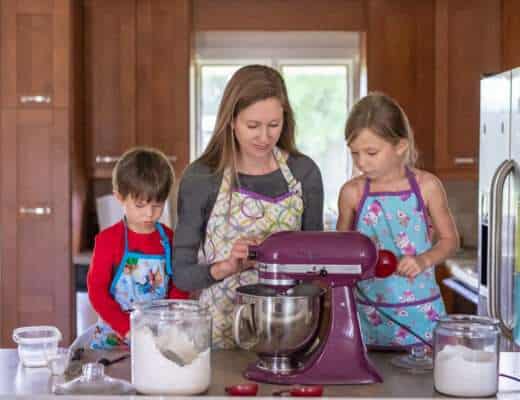
Cooking from scratch rekindles gratitude by revealing the labor behind every bite. Kneading dough or simmering beans draws a through-line from soil to plate that convenience foods erase. You begin to appreciate the craftsmanship embedded in a ripe tomato or the miracle of yeast. Meals slow down; conversation lengthens; taste buds, neglected by packaged sameness, wake up. The cost savings are almost incidental compared to the renewed reverence for nourishment. Frugality here translates to a daily gratitude practice you can literally taste.
Setting a hard ceiling on lifestyle creep keeps ambition pointed at purpose, not possessions. Each raise or windfall arrives with a temptation to up-size something—home, car, vacation tier. Establishing a predefined comfort point blocks that reflex and asks a sharper question: if more money isn’t for more stuff, what is it for? The answer might be giving, sabbaticals, or underwriting meaningful work. By locking lifestyle at “good enough,” you channel surplus into goals that extend your values rather than inflate your overhead. This is not stalled ambition; it is ambition with a compass.
Shopping secondhand teaches you to prize narratives over novelty. A pre-loved jacket carries the invisible biography of places it has been, storms it has weathered. Accepting slight wear or vintage quirks shifts your admiration from flawless aesthetics to enduring functionality. You discover that character—whether in garments or friendships—often emerges only after the shine wears off. The planet thanks you for choosing reuse, but the deeper gain is a taste for stories that outlast trends. Frugality becomes cultural archeology, one thrift store at a time.
Saving for emergencies reframes the future as something you actively build, not passively fear. An emergency fund is essentially a vote of confidence in your future self’s problem-solving capacity. Each deposit tells tomorrow, “I’ve got your back.” The psychological dividend is calm: plans feel less brittle when you know an engine repair or medical bill won’t topple them. Instead of bracing for crises, you approach possibilities with measured optimism. In short, cash reserves convert anxiety into agency.
Decluttering to sell reminds you that value is created by use, not by possession. Listing still-good items online reveals how quickly yesterday’s treasure becomes today’s storage burden. The cash you recoup is nice, but the lesson kicks in when a stranger delights in your old camera or bookshelf. You witness value re-emerge through utilization, not hoarding. This realization infects future purchasing decisions: you buy with an exit strategy, focusing on durability and resale instead of impulse and accumulation. Your home gains space; your mindset gains lightness.
Living below your means shifts status from display to resilience. Opting out of the spend-to-signal arms race can feel like social invisibility—until a layoff, recession, or health scare hits. Then the modest car and modest mortgage morph into superpowers: you can pivot careers, take a pay cut for a meaningful role, or weather storms without panic. Gradually, you redefine status as the capacity to choose rather than the capacity to purchase. By valuing flexibility over flash, you trade short-term admiration for long-term sovereignty.
Together, these ten shifts show how frugality, properly understood, is less about restriction than liberation. It frees attention from the tyranny of more so you can invest it in better—better relationships, better skills, better alignment between what you claim matters and how you actually live.
If you enjoyed this article, please support my work by subscribing to my daily newsletter.