
Created by Mike Donghia. Subscribe to our blog for free daily updates.
Have you noticed how childhood seems to have changed? The freedom, the play, the pure wonder of it all—sometimes, it feels as if much of what once made childhood magical has slowly disappeared. But what if we could help bring back that magic? Here are ten ways to help restore childhood to its former glory, making it a time of discovery, growth, and joy.
Let Kids Be Bored and See What Happens
Modern life is packed with entertainment, but sometimes, kids need to be bored. It’s during those empty moments that they learn to entertain themselves, sparking creativity and self-reliance. Give kids time without planned activities or screens and see what they create or explore. From fort-building to imaginary worlds, boredom often leads to the best adventures.
Bring Back Unstructured Outdoor Play
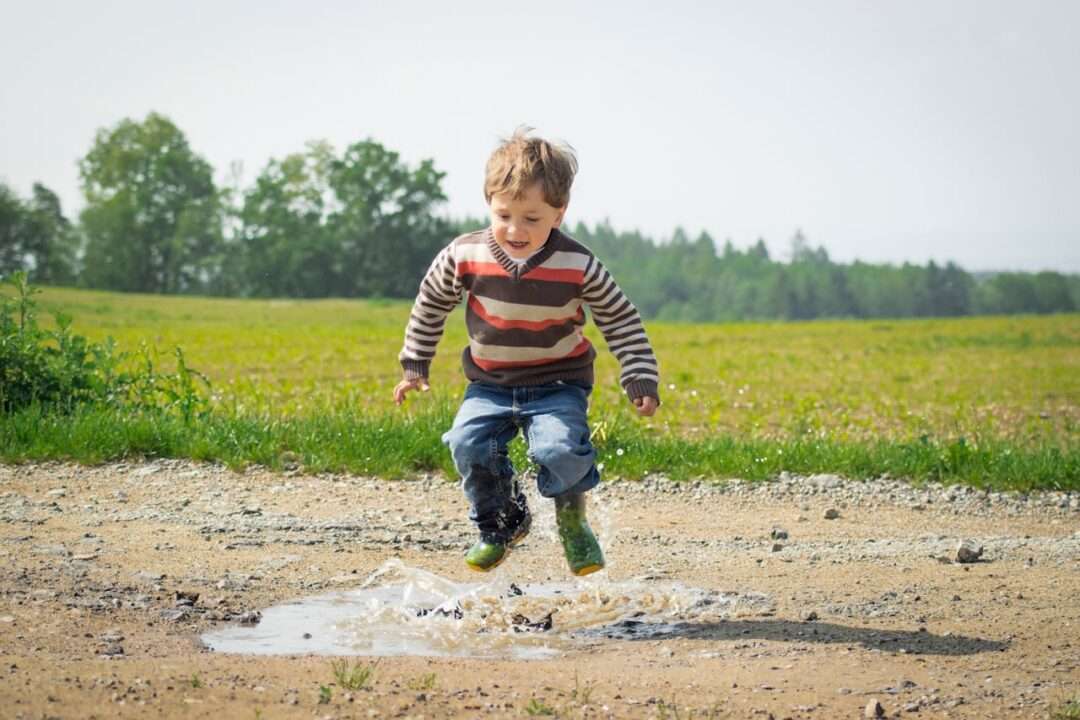
There’s something irreplaceable about a good old-fashioned day outside. Give kids the freedom to play in nature—climbing trees, exploring parks, or building forts in the backyard. This kind of play helps them learn to appreciate the natural world while fostering physical health, independence, and curiosity. It’s play without a set goal, which is often where the deepest growth happens.
Limit Screen Time and Encourage Real-Life Interaction
In the digital age, screens have become a substitute for play, relationships, and experiences. Setting limits on screen time can encourage children to interact with family, friends, and the world around them. Focus on creating an environment where conversation, physical play, and hands-on experiences are valued over digital consumption.
Reintroduce the Joy of Hands-On Hobbies
Hobbies like drawing, painting, cooking, or building things by hand have long-lasting benefits. Children who spend time on hands-on activities build skills, patience, and confidence as they learn to create. Letting them choose and explore hobbies without expectations helps foster a sense of accomplishment that’s all their own.
Encourage Curiosity by Answering Questions with Questions
When kids ask questions, respond with questions of your own: “Why do you think that happens?” or “What would you like to find out?” This approach makes curiosity an adventure. Instead of passively receiving answers, they learn to seek out knowledge themselves, exploring ideas with greater independence and confidence.
Teach the Art of Conversation
From a young age, children can learn to enjoy the exchange of ideas, stories, and laughter. By emphasizing the value of listening and responding thoughtfully, we help kids develop skills that nurture friendships and empathy. Make family dinners or simple chats a time to reconnect without distractions. These small moments build their confidence in expressing themselves and create lasting memories.
Give Kids Time to Solve Their Own Problems
When a problem arises, it’s tempting to jump in with the answer. But stepping back allows kids to work through their frustrations and build resilience. Let them puzzle out disagreements with friends or struggle through a challenging task on their own. This helps them develop problem-solving skills that will serve them well in all areas of life.
Celebrate Small Achievements, Not Just Big Milestones
Too often, kids feel pressure to achieve big things, but real growth happens in the small, everyday moments. Celebrate when they help a friend, finish a book, or show kindness. Acknowledging these small achievements teaches them that success isn’t only about awards or grades. It’s about consistent growth, kindness, and the effort they put into daily life.
Emphasize Playful Learning over Academic Pressure
Children’s natural way of learning is through play. Instead of forcing early academic pressure, incorporate learning into playtime. Math can be taught with games, science with backyard explorations, and history with storytelling. This approach preserves the joy of discovery and encourages children to see learning as something fun and lifelong rather than a stressful obligation.
Model Wonder by Appreciating the Little Things
Kids learn by watching adults, so when we appreciate simple things—like the beauty of a sunset, the sound of rain, or the taste of a favorite food—they notice. Share these moments with them, and let them see your sense of wonder. It encourages them to slow down, take it all in, and find joy in the ordinary.
Show Them the Value of Relationships over Possessions
In a consumer-driven world, it’s easy to equate happiness with things. But childhood’s greatest joys often come from relationships rather than possessions. Model this by valuing time spent with friends and family, prioritizing experiences over material gifts. Show them that a memorable day, a family tradition, or a great conversation is worth far more than the latest gadget.
Let’s work together to bring back the heart of childhood—the freedom, exploration, and pure joy that make it a cherished time in life. These small changes can go a long way toward giving kids the rich and memorable childhood they deserve.
If you enjoyed this article, please support my work by subscribing to my daily newsletter.


