Created by Mike Donghia. Subscribe to our blog for free daily updates.
What did the American frontier understand about life that we seem to be forgetting?
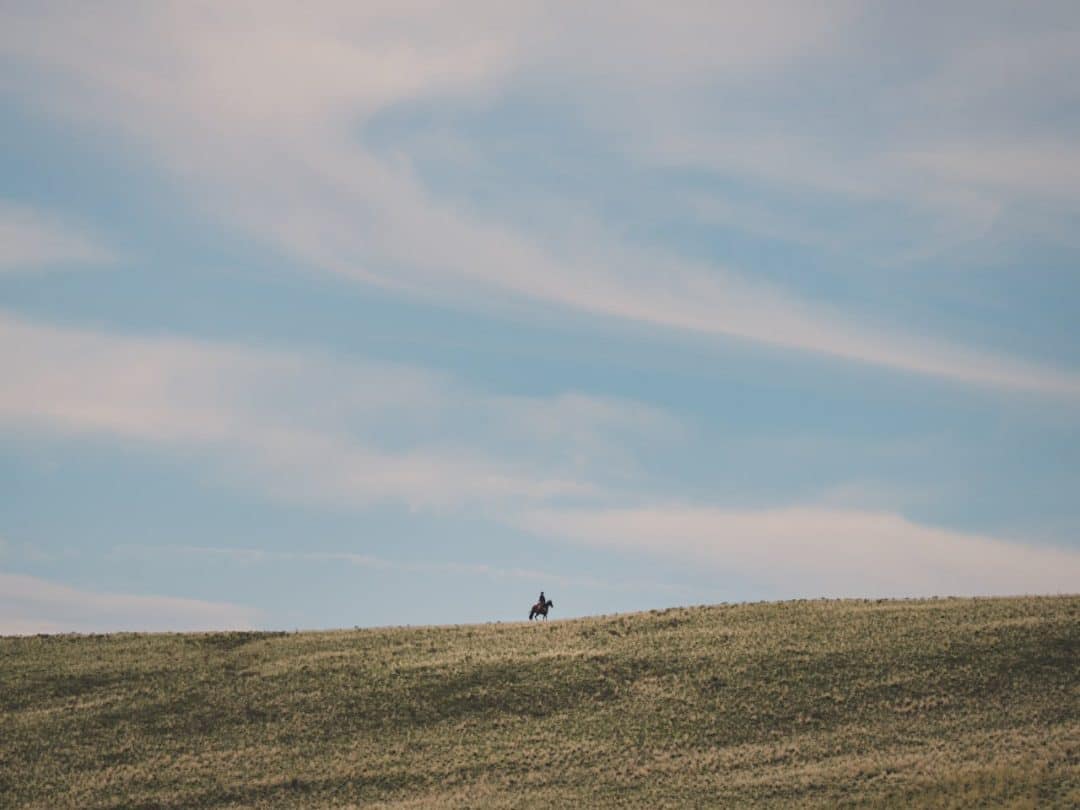
When people look back on the American frontier, they often focus on the imagery. Wide open land. Long journeys. Isolated homesteads. But the real legacy of the frontier was not the scenery. It was the values that emerged when life became simple, difficult, and unavoidable. The frontier stripped away distractions and forced people to organize their lives around what actually worked. These values were not theoretical ideals. They were practical habits shaped by necessity, responsibility, and shared survival.
Hard work gave life structure and dignity
On the frontier, work organized the day and gave life a clear rhythm. People rose early because animals needed care and land needed tending. Tasks were visible, physical, and tied directly to survival. Because effort produced tangible results, work carried dignity rather than resentment. You could look at a repaired fence, a stocked pantry, or a finished cabin and know your time had meaning. This kind of work grounded people in reality and made rest something to be enjoyed rather than escaped into.
Self reliance built confidence through action
Frontier life forced people to trust themselves. When something broke, there was no guarantee of help arriving. People learned to improvise, adapt, and learn by doing. This constant engagement with problems created competence over time. Confidence came from experience rather than affirmation. Self reliance did not mean rejecting others. It meant taking responsibility for what was within reach. That habit quietly built capable adults who did not panic when things went wrong.
Community grew from mutual dependence
Although self reliance mattered, no one survived alone. Neighbors were essential, not optional. People shared labor during harvests, helped raise barns, and showed up during illness or loss. These relationships were built through action rather than convenience. Trust formed naturally when people depended on one another in meaningful ways. Community was not something you joined. It was something you participated in because everyone understood that shared effort made life safer and more stable.
Hospitality was rooted in shared vulnerability
Many frontier families remembered what it felt like to arrive with little. Because of that, hospitality became instinctive. Offering food, shelter, or warmth was not about impressing guests. It was about recognizing shared fragility. People knew that circumstances could change quickly, therefore generosity became a form of wisdom. Hospitality strengthened bonds between strangers and reminded communities that survival often depended on kindness shown at the right moment.
Family life was treated as serious responsibility
Raising a family on the frontier was demanding and intentional. Parents understood that children needed to become capable adults, not just entertained ones. Kids were given responsibility early because their contributions mattered. Family life revolved around shared meals, shared labor, and shared stories. These rhythms created stability in an unpredictable world. Family was not something that competed with personal goals. It was the foundation that gave those goals direction.
Frugality encouraged gratitude and preparedness
Waste was rarely tolerated because resources were limited. Clothing was repaired, food was preserved, and tools were cared for carefully. This frugality created an awareness of value. People understood the effort behind what they owned, therefore they appreciated it more deeply. Living this way also built preparedness. When hardship arrived, those who practiced restraint were better equipped to handle it. Frugality trained people to live within reality rather than chasing excess.
Courage appeared in ordinary choices
Courage on the frontier was not dramatic most of the time. It showed up in persistence. People faced danger, illness, and uncertainty regularly, yet daily responsibilities still had to be met. Courage meant acting despite fear and fatigue. Over time, this kind of bravery became habitual. It strengthened character quietly and consistently. The frontier taught people that courage was not a personality trait but a pattern of choices.
Integrity shaped trust and reputation
With fewer formal systems of enforcement, a person’s word carried real weight. Trust allowed communities to function smoothly, therefore integrity mattered deeply. When someone broke a promise, the consequences were immediate and social. Reputation followed people closely. This encouraged consistency between words and actions. Integrity was not abstract. It was practical, visible, and necessary for cooperation.
Sacrifice was expected and normalized
Life on the frontier required giving things up regularly. Comfort, convenience, and personal preference were often set aside for the good of family or community. People expected seasons of difficulty and adjusted their expectations accordingly. Sacrifice was not framed as unfairness. It was part of a meaningful life. This mindset helped people endure hardship without constant resentment and gave purpose to their effort.
If you enjoyed this article, please support my work by subscribing to my daily newsletter.