Created by Mike Donghia. Subscribe to our blog for free daily updates.
Henry David Thoreau once wrote that a person grows rich by letting things alone. Modern life answers with a marketing email that arrives before breakfast. The two voices sit side by side in the mind and pull in opposite directions.
Many of us follow the louder voice. We buy an upgrade, feel a sugar rush, then watch the thrill evaporate before the box is even recycled. Each cycle leaves a thin residue of regret. Something inside keeps asking whether all this addition is subtraction in disguise.
This article puts that question to work. It offers ten concrete moments that only appear when spending is no longer the reflex. Each section explains the moment and gives a single way to start. The goal is simple. By the end you should know whether letting things alone can indeed make you rich.
Discovering the subtle thrill of repairing something better than factory-new instead of clicking “buy again.” Most fixes need only a basic toolkit and a short tutorial; spare parts often come cheaper than shipping fees. Photograph each finished repair and note the date, cost saved, and skill learned in a small ledger. Soon that album of victories becomes proof you can solve problems with ingenuity rather than credit cards. Friends start asking how you did it, and teaching reinforces what you know. A feedback loop forms: each success feeds confidence, which feeds the next challenge.
Tasting vegetables you grew from seed and realizing grocery produce has been lying to you about flavor. Start with one container of cherry tomatoes or basil and tie watering to a daily ritual like morning coffee so you never forget. Post a progress photo every Sunday to keep yourself accountable. The day the first tomato splits with sweetness, invite a friend for a blind taste test; shared astonishment cements the lesson. Soon you’ll eye empty windowsills as potential real estate. Store-bought produce becomes an emergency option, not the default.
Feeling time slow down during a no-spend weekend when creativity, not money, must entertain everyone. Declare from Friday dinner to Sunday dinner a purchase-free zone and make a game of inventing low-cost activities. Jot discovered pleasures—chalk art on sidewalks, sunrise tea on the porch—in a notebook for future reference. Children and adults alike notice conversations last longer when nobody is in a rush to reach the next venue. Monday morning’s refreshed outlook highlights how little spending is required for rich living. Repeat monthly and watch discretionary expenses shrink without a sense of sacrifice.
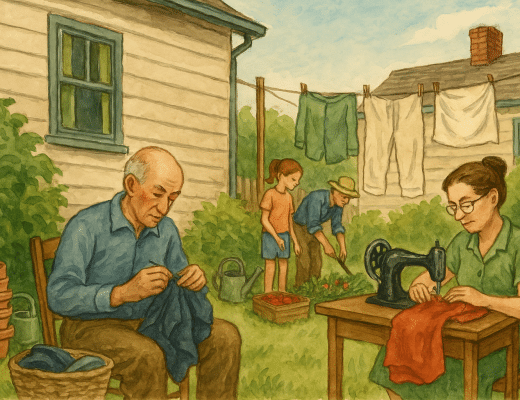
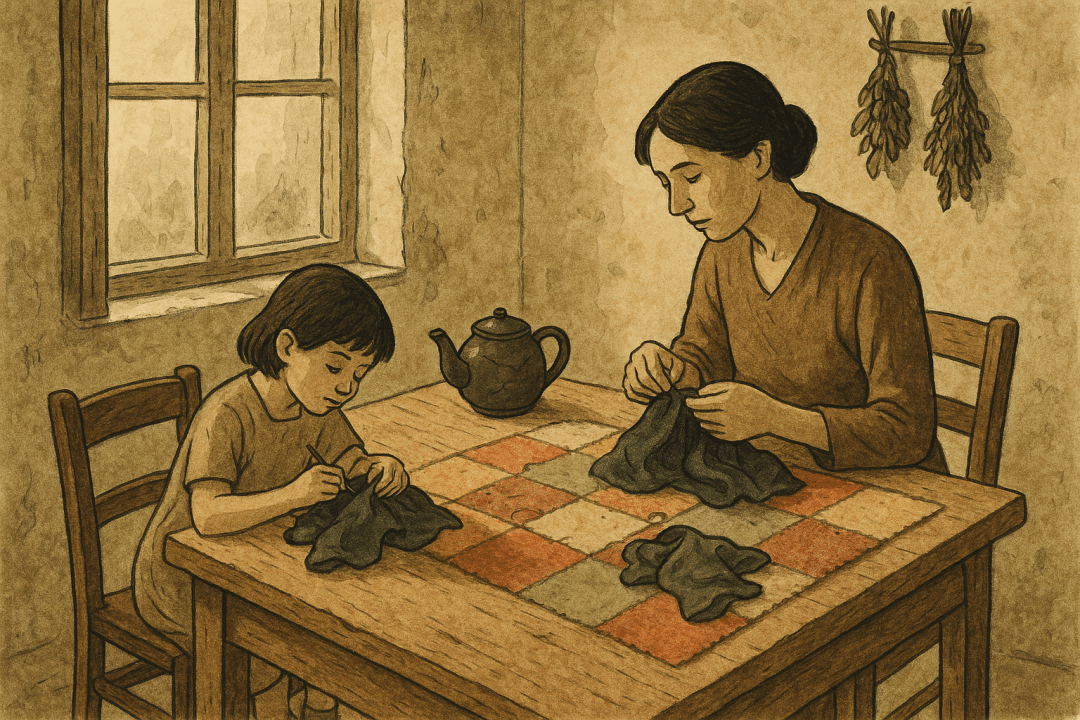
Finding wabi-sabi beauty: clothes, furniture, even friendships that improve precisely because they’ve been kept. Keep one beloved sweater in rotation and darn the elbow when it thins, celebrating the visible stitch as a badge of loyalty. Photograph each repair as a timestamp of care and post the story rather than the usual “new purchase” brag. Apply the same ethic to relationships: apologies, listening, and shared history beat ghosting and replacement. Over time scarred fabric and mended friendships become living examples of resilience. You’ll see value where others see wear.
Savoring the deep sleep that follows manual labor done to save a service fee. Digging a garden bed or scrubbing the porch taxes muscles screens never reach, releasing serotonin and tiring the body in the best possible way. Follow labor with stretching, a warm shower, and a simple meal; the sequence signals completion to your nervous system. Sleep arrives quickly, stays deep, and you wake with quieter cortisol levels. Use the money saved to fund future DIY tools, not take-out. The body begins to crave honest exertion.
Watching children value experiences over toys when scarcity turns imagination back on. Skip the toy aisle and head to a wooded trail where sticks transform into magic wands and campsites into kingdoms. Encourage kids to recount the adventure at dinner; storytelling cements memory more deeply than plastic souvenirs. Rotate responsibilities—map reading, fire tending—to build competence alongside creativity. Birthday lists begin to feature trips and projects instead of gadgets. You’ve traded clutter for lifelong curiosity.
Hearing the distinct silence of a debt-free mind, where future plans aren’t muffled by repayment math. Automated extra payments drafted the morning your paycheck lands attack principal before temptation can. Celebrate each balance you eliminate with a free ritual—sunset walk, borrowed novel—rather than a purchase. Financial clarity spills into career choices; you negotiate from calm rather than desperation. Emergency funds cease to feel theoretical. The soundtrack of your thoughts switches from calculation to possibility.
Sensing the subtle confidence that comes from mastering basic skills—sewing a seam, baking bread, fixing a leak—and knowing inconvenience rarely turns into crisis. Pick one skill this month—patching drywall, adjusting bike brakes—and practice until muscle memory forms. Trade expertise with friends so everyone’s toolbox expands while costs stay low. Competence compounds: today’s patched pipe becomes tomorrow’s willingness to re-tile a bathroom. Anxiety shrinks because you trust your hands. Household surprises downgrade from emergencies to tasks.
Training your taste to savor everyday pleasures—tap-cold water after work, bread fresh from your own oven—over any pricey indulgence. Keep a “simple delights” list on the fridge and add entries whenever a humble pleasure surprises you. Use it as a first stop when cravings hit; nine times out of ten the list satisfies. Over weeks the palate shifts toward presence rather than novelty. Even restaurant meals feel richer because comparison slants toward gratitude, not boredom. Consumption becomes a choice, not a reflex.
Trusting that, no matter how little you possess materially, you already hold enough for a good life. Log three concrete gratitudes each night—sunlight on the desk, laughter over dishes, a well-timed text. Read the week’s list aloud every Sunday; spoken gratitude amplifies the effect and models sufficiency for others. Purchases slow because contentment dulls the marketing message that more is salvation. Generosity also expands; it’s easier to give when you believe scarcity isn’t stalking you. Enough stops being a moving target and becomes a settled fact.
If you enjoyed this article, please support my work by subscribing to my daily newsletter.