Created by Mike Donghia. Subscribe to our blog for free daily updates.
Most people blame their cluttered homes on busyness. That’s true to an extent—if you had more time you could clean it up, but that’s rarely what happens. The reality is that clutter is often the fruit of some deeper emotional need that’s not being satisfied. For me, clutter builds up when I’m stressed about work and don’t have any motivation for things like organization.
I’ve noticed that when life feels out of control, I tend to ignore the mess. It’s easier to scroll my phone or tell myself I’ll deal with it tomorrow. But the mess doesn’t go away—it grows. And eventually, the weight of all the stuff starts to affect how I feel in my own home. It’s like a low-grade anxiety humming in the background.
Over time, I’ve come to realize that the clutter isn’t just about the stuff—it’s about the patterns, emotions, and habits behind the stuff. When I started paying attention to those root causes, it became a little easier to make real progress. Below are ten honest reasons I believe our homes get cluttered, based on both personal experience and a lot of observation.
We underestimate how much stuff we actually have
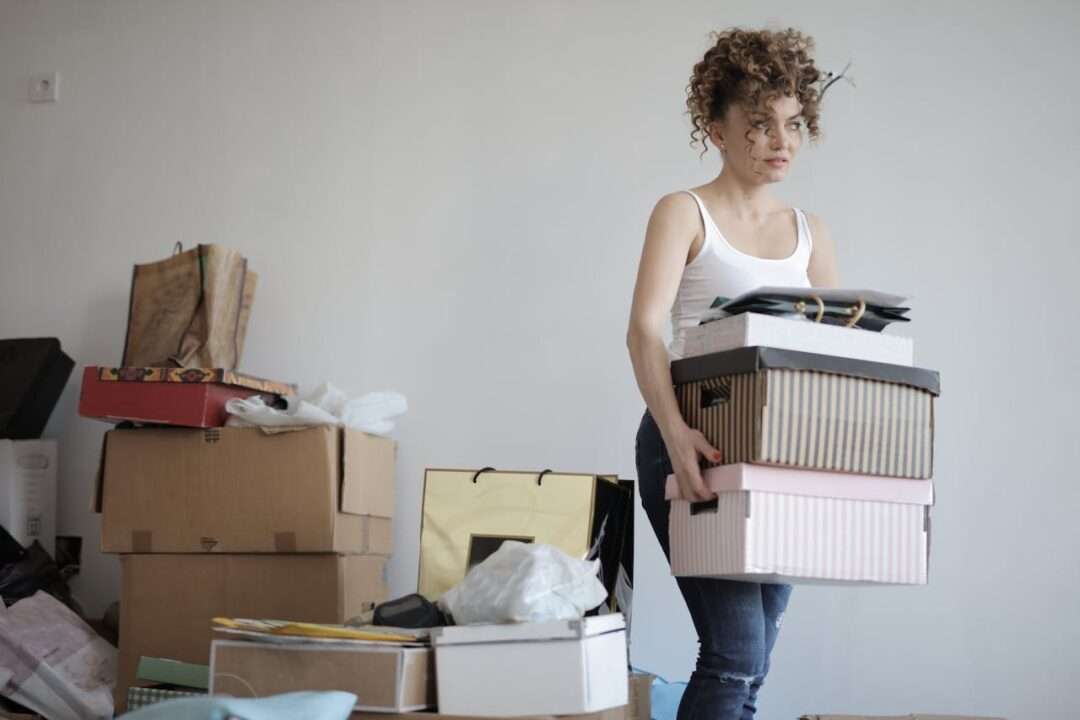
Most of us don’t have an accurate picture of how much we truly own because we’re not regularly looking at everything at once. Items get stored in drawers, closets, bins, and boxes—out of sight, out of mind. Over time, this creates a false sense of minimalism. We may think we’re doing okay in the “stuff” department, but we’d probably be shocked if we laid it all out. Once you take a full inventory, you’ll realize that clutter isn’t usually a sudden problem—it’s a slow build-up of everyday life that we’ve ignored until it reaches a tipping point.
We bring things in faster than we take them out
Every week, more items make their way into our homes—groceries, mail, toys, clothing, gadgets, souvenirs—while fewer and fewer things actually leave. Even with the best intentions, we tend to accumulate at a faster rate than we declutter. And unless we’re regularly purging with the same energy we bring to shopping or accepting gifts, we’re slowly building up clutter. It’s not about being anti-stuff—it’s about matching your output with your input, so your space doesn’t slowly fill up like a balloon ready to pop.
We attach emotions to physical objects
This is one of the hardest and most human reasons for clutter. We keep items not because they serve a purpose, but because they remind us of someone, some place, or some time in our lives. Whether it’s the dress you wore on a first date or your child’s finger paintings from kindergarten, these things become emotionally charged. But a home filled with too many memory-holders becomes heavy, physically and mentally. It’s okay to honor the past, but your present and future deserve a clean and livable space too.
We mistake organizing for decluttering
Buying bins and storage solutions feels productive, but it’s often a clever disguise for not actually getting rid of anything. You might color-code, label, and stack it beautifully, but all you’ve really done is reshuffle the mess. Organizing without decluttering is like cleaning a closet without questioning if you even wear half the clothes. Real clarity comes when you reduce, not just rearrange. If your storage game is strong but your home still feels chaotic, this might be the sneaky culprit.
We have a hard time making decisions
Decision fatigue plays a massive role in why clutter sticks around. Every item requires a judgment call: Keep or toss? Donate or sell? Store it where? Those little questions wear us down, so we procrastinate. This is especially true with “maybe” items—the ones we don’t use but feel bad getting rid of. Multiply that by a hundred, and you’ve got a garage full of “I’ll decide later.” One trick? Set simple rules to make the choices easier—like tossing anything you haven’t used in a year or anything you wouldn’t buy again today.
We believe more options make life better
Having choices feels like freedom—until it doesn’t. We think owning fifteen mugs or three different jackets for every weather condition is helping us, but in reality, it often leads to decision fatigue and mental clutter. The irony is, we only reach for our favorites anyway. More choices don’t always equal better living. They can actually make life more complicated. Simplicity doesn’t mean deprivation—it means selecting the best and letting go of the rest so your everyday life feels lighter and more manageable.
We rarely build systems to deal with incoming stuff
Mail piles up. Kids’ drawings multiply. You come home with things in your hands and no clear place to put them. This is where systems—or the lack of them—come in. Most of us don’t plan for the routine clutter of daily life. We react to it after it’s already a problem. By creating simple drop zones or regular habits (like opening and sorting mail the day it arrives), we stay ahead of the mess. Without systems, even the most organized homes start looking like they lost a battle to paper and packaging.
We delay because we’re waiting for the “perfect” time
Decluttering feels like one of those tasks that demands the “right mood” or an uninterrupted afternoon. But let’s be honest—those ideal conditions rarely show up. So we put it off, week after week, while the stuff keeps stacking up. The secret? You don’t need a marathon session. You just need to start. Five minutes here, ten minutes there—it adds up. Don’t wait for perfect. You can create progress in the middle of a messy day. The small wins are how real momentum begins.
We get overwhelmed and give up
The longer we delay, the bigger the mess becomes—and the bigger it becomes, the more it overwhelms us. It’s a vicious cycle. The garage is too packed to tackle, so we shut the door. The junk drawer is too chaotic, so we stop opening it. Overwhelm tricks us into thinking the only solution is a major overhaul, which feels out of reach. But the truth is, one drawer, one corner, or one category at a time is all it takes to reverse the spiral. Starting small is how you take your power back.
We try to keep up with everyone else’s lifestyle
Social media doesn’t help here. We see people with perfect pantries, matching storage bins, seasonal décor, and homes that seem to belong in a magazine. So we buy things to create a life we think we should want—one that’s stylish or impressive, but not necessarily true to how we actually live. The result is often clutter we don’t even connect with. The antidote? Be brutally honest about your real life and what supports it. You don’t need more stuff. You need more alignment between your space and your values.
If you enjoyed this article, please support my work by subscribing to my daily newsletter.


